
Congenital or Acquired Drooping Eyelids
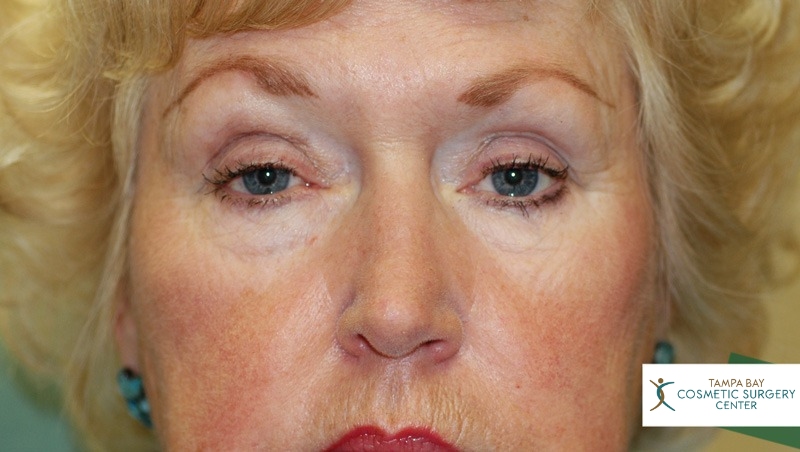
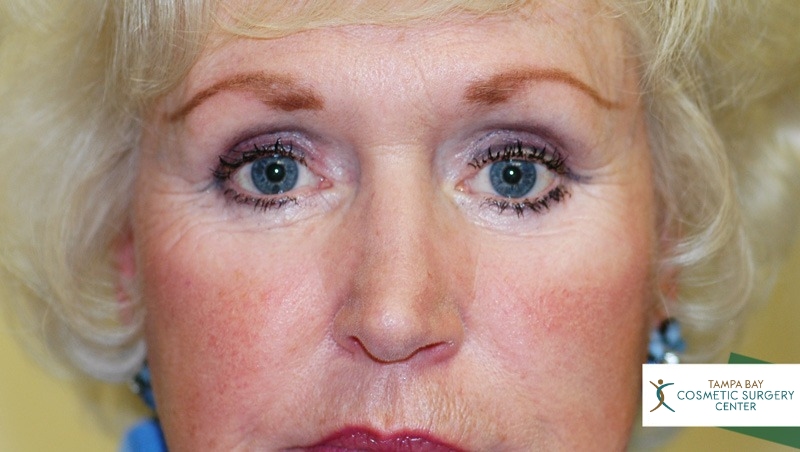
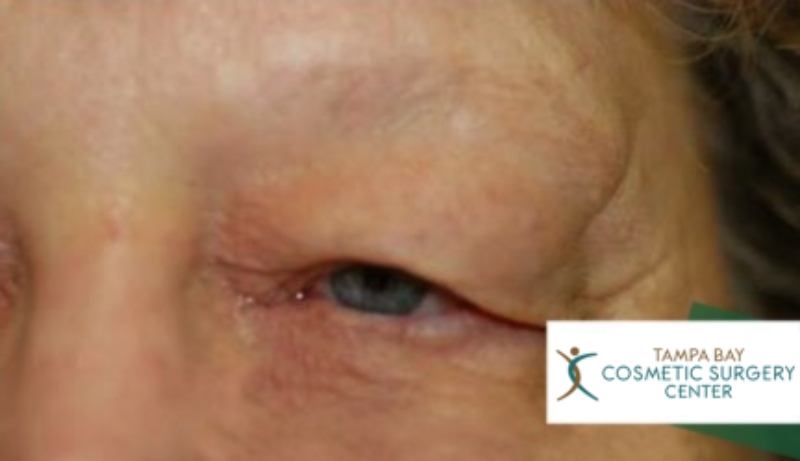
The medical term for a drooping upper eyelid is called ptosis (TOE-sis) or blepharoptosis. In this condition, the border of the upper eyelid falls to a lower position than normal. In severe cases, the drooping eyelid can cover all or part of the pupil and interfere with vision. In such cases, the correction of the ptosis may be partly or fully coved by medical insurance.
Ptosis can affect one or both eyes. It may be present at birth (congenital ptosis), or it may develop gradually over decades. Sometimes ptosis is an isolated problem that changes a person’s appearance without affecting vision or health.
Not infrequently, people develop drooping of their upper eyelids with age or after eye surgery, including Lasik. Very often the drooping of the upper eyelid occurs so gradually over the years, that patients are truly not aware of how much of their vision is being affected by their droopy upper eyelids. Only a trained oculofacial specialist can perform special tests of your peripheral vision to determine if this is the problem, and can demonstrate how much improvement in your vision could be achieved with a minor procedure to correct the ptosis.
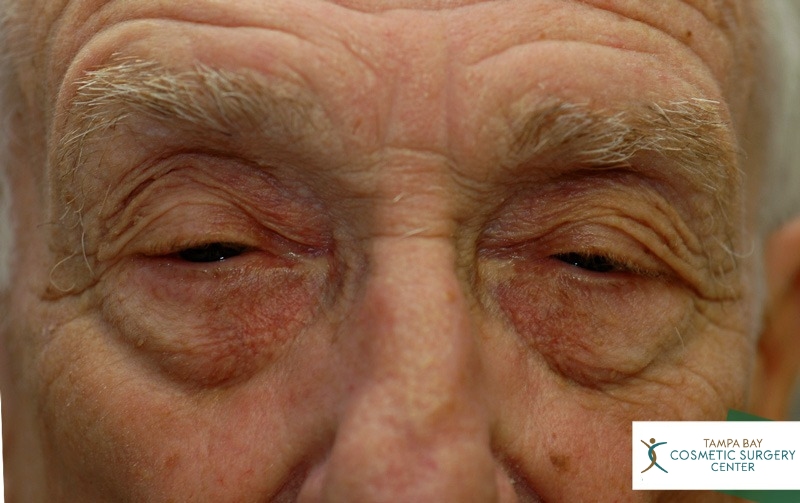
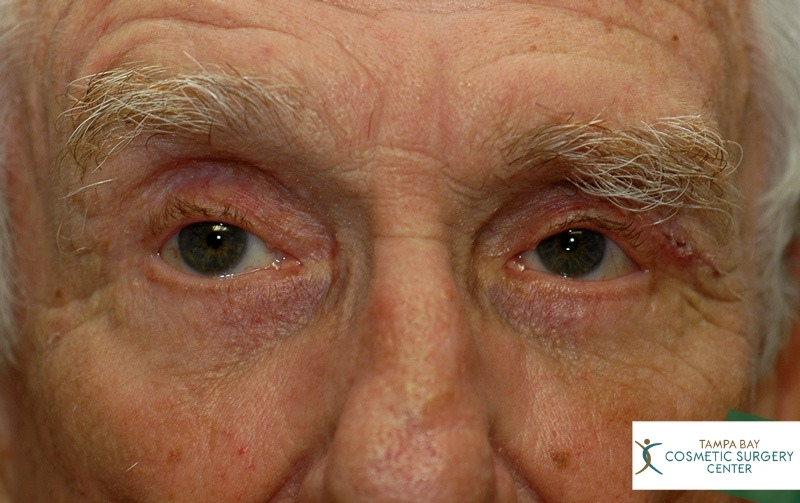
 See Clinical Descriptions of Selected Patients in Photo Galleries: Ptosis Before and After Photos
Some of the causes of ptosis include:
Congenital ptosis — In this condition, an infant is born with ptosis because of a developmental problem involving the muscle that raises the upper eyelid (levator muscle). In approximately 70% of cases, the condition affects only one eye. If the drooping eyelid obscures part of the baby’s visual fields, surgery must be done to correct the problem early in life to prevent permanent loss of vision.
Aponeurotic ptosis (senile or age-related ptosis) — Aging is the most common cause of ptosis that is not present at birth. In senile ptosis, the long-term effects of gravity and aging cause stretching of a wide, tendon-like tissue that helps the levator muscle lift the eyelid. Although both eyes usually are affected, drooping may be worse in one eye.
Muscle diseases — Ptosis can be a symptom of an inherited muscle disease called oculopharyngeal muscular dystrophy that affects eye motion and can cause difficulty swallowing. In younger adults, ptosis can be caused by a group of muscle illnesses called progressive external ophthalmoplegia, which cause ptosis in both eyes, problems with eye movement, and sometimes other muscle symptoms that involve the throat or heart muscle.

Local eye problems — In some cases, an eyelid droops because of an infection or tumor of the eyelid, a tumor inside the eye socket, or a blow to the eye.
Symptoms
Doctors assess the severity of eyelid droop by taking precise measurements of the eyelid and eye opening. You can screen for the problem yourself by looking straight ahead in a mirror. As you look at your eye, a sizable part of your iris (the eye’s colored circle) should be visible above your pupil, and no part of the pupil itself should ever be covered by the eyelid.
If you have ptosis, the drooping eyelid narrows your eye’s opening, which makes your affected eye appear smaller than normal. You also may lose the crease (fold of skin) that normally lies between your upper eyelid and eyebrow. If ptosis covers your pupil and limits your vision, you may try to compensate unconsciously by raising your eyebrows. This can cause tension headaches and give your eyes an odd, surprised appearance. You also may tilt your chin up and look down your nose as a way of seeing out from under your eyelid`s lower margin.
Other symptoms of ptosis include a decreased ability to keep your eyes open, eye strain from the increased effort needed to raise your eyelids, and fatigue, especially when reading. In severe cases, it may be necessary to tilt your head back or lift the eyelid with a finger in order to see out from under the droopy eyelid(s). You may also complain that your eyelids have a tired appearance from “droopy eyelids” even though you are well rested.
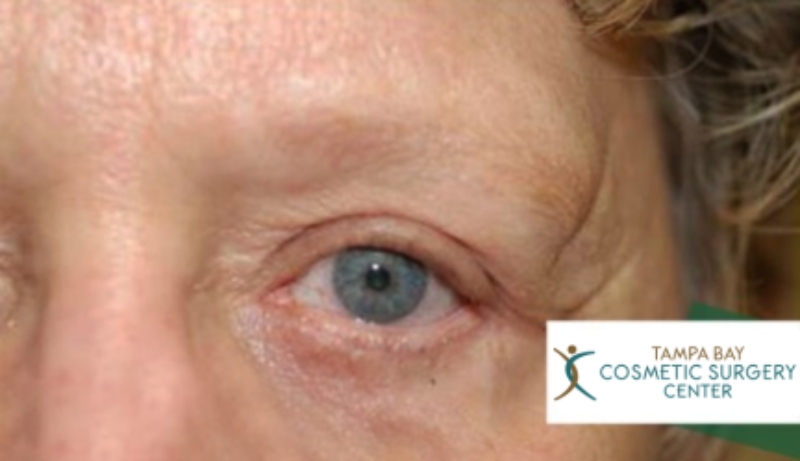
Acquired ptosis is usually treated by surgery. The surgery is usually performed as an outpatient (there is usually no need for hospitalization). Local anesthesia, which numbs the upper eyelid, is combined with light sedation so there is little, if any, pain during or even after the procedure. The main goals of ptosis surgery are elevation of the upper eyelid to restore normal field of vision and an attempt to achieve symmetry with the opposite upper eyelid.
Final Reminders
Ptsosis is usually due to weakness in the muscles or the nerves of the eyelid. To effectively treat ptosis requires a special understanding of the anatomy and pathophysiology of the eyelid. The excellent general plastic surgeons who do tummy tucks and breast augmentations almost never have been trained in eyelid anatomy or pathophysiology, and should NOT be the one you choose to treat your ptosis, which should be treated only by a fully fellowship trained oculo-facial surgeon. Fellowship in the American Society of Oculofacial Plastic and Reconstructive Surgery (ASOPRS) indicates that the surgeon has greatest specialized training and expertise in this subspecialty.
If you have ptosis, please contact Dr. Kass who is fully trained to treat this problem and has been in practice in Tampa Bay for over 30 years.
What to Expect from Eyelid Ptosis Surgery
If you decide to move forward with ptosis surgery at Tampa Bay Cosmetic Surgery Center, you can expect a caring and hands-on approach throughout your treatment. The procedure is typically outpatient, performed under local anesthesia with light sedation to ensure your comfort. Many patients tell us they experience minimal pain during and after surgery.
After surgery, you might notice immediate improvement in your vision and eyelid symmetry, though some swelling and bruising can occur temporarily. Our trusted oculofacial surgeons will provide detailed aftercare instructions to support your healing and answer any questions you have along the way.
Follow-up visits help us monitor your progress and ensure the best possible results. With over 30 years of experience serving patients in , we understand how even subtle changes can impact your appearance and quality of life.
FAQs
What is eyelid ptosis and how does it affect vision?
Eyelid ptosis is a drooping of the upper eyelid due to muscle or nerve weakness. It can partially or fully cover the pupil, potentially impairing vision and causing eye strain or headaches.
Who is a good candidate for ptosis surgery?
Candidates include individuals with significant eyelid droop affecting vision or appearance, especially if diagnosed by a trained oculofacial surgeon. Both congenital and acquired ptosis cases can benefit from surgery.
How is ptosis surgery performed?
The surgery involves tightening or repairing the levator muscle or related tissue that lifts the eyelid. It is usually done under local anesthesia with sedation on an outpatient basis.
What are the risks and recovery time after ptosis surgery?
Risks are minimal when performed by experienced surgeons but can include temporary swelling, bruising, or asymmetry. Most patients recover within 1 to 2 weeks and resume normal activities shortly after.
Can ptosis recur after surgery?
While surgery aims for long-lasting correction, some patients may experience recurrence due to aging or underlying conditions. Regular follow-up helps manage any concerns promptly.